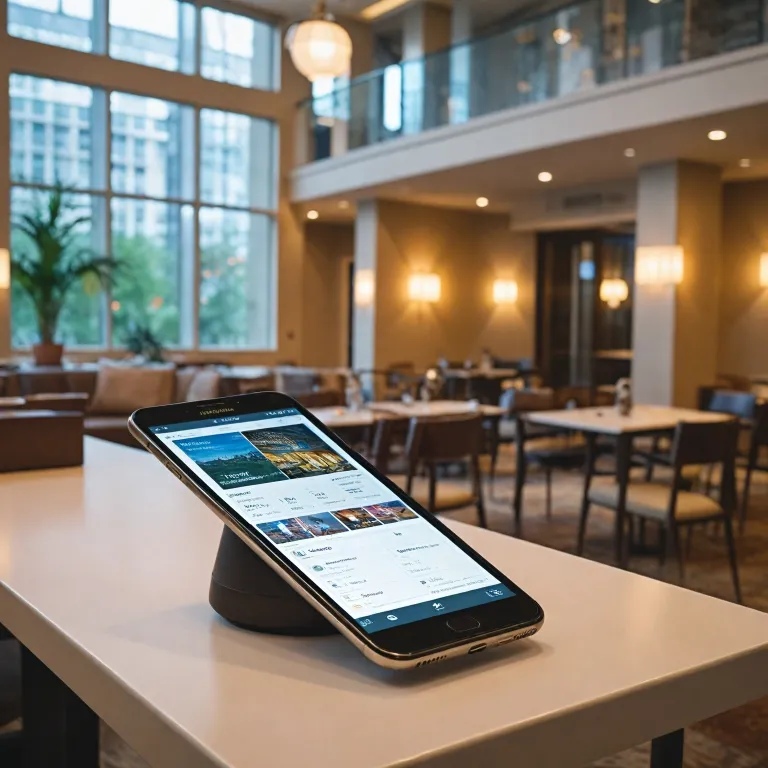
From meta search clicks to mobile apps hospitality journeys
Meta search has become the silent front door of the hospitality industry, yet its connection with hospitality industry mobile applications remains underused. When a guest compares hotels on a meta search engine, the transition to a mobile app or mobile applications often breaks, damaging the guest experience and guest satisfaction. For Responsables e-commerce and directeurs digitaux, aligning meta search flows with every mobile app touchpoint is now a strategic priority.
Today, most travelers start with meta search tools on a mobile device, then move to hotel websites, and finally to mobile apps for check or in-stay services. This fragmented path weakens guest communication, limits personalized offers, and slows operations that should streamline operations in real time. Hospitality businesses that orchestrate a single guest app ecosystem across meta search, booking engines, and in-stay guest apps can transform scattered guest experiences into one coherent digital journey.
For OTAs and plateformes de meta-search, hospitality industry mobile applications are no longer just post booking utilities. They are guest facing extensions of price comparison, enabling real time messaging about rate changes, room upgrades, and ancillary services. When a hotel guest moves from a meta search result to a branded mobile app, the same pricing logic, inventory rules, and loyalty benefits must follow seamlessly to protect revenue and operational efficiency.
Technology companies and éditeurs technologiques therefore need app development roadmaps that treat meta search APIs as core data sources. By feeding search intent, filters, and stay dates directly into mobile apps hospitality journeys, they can offer more personalized content and services. This approach turns every guest app into a live extension of the comparison phase, enhancing guest trust and strengthening the hospitality experience from the first click.
Designing guest apps that reflect meta search price logic
Price transparency on meta search platforms sets expectations that hospitality industry mobile applications must respect. When guests see a specific room price on a comparateur, they expect the same rate and conditions inside the hotel mobile app or guest app. Any discrepancy between meta search prices and mobile apps hospitality offers immediately erodes guest satisfaction and trust.
To avoid this, revenue managers and directeurs digitaux must align pricing engines, parity rules, and discount logic across all applications. The same promotions used to secure the best hotel rates on comparison platforms should be mirrored in the mobile app, with clear explanations of benefits and restrictions. Linking to detailed playbooks on how to secure the best hotel rates helps teams coordinate strategies between meta search campaigns and in-app offers.
Within the hospitality industry, mobile applications can also contextualize price by tying it to the in-stay hospitality experience. A hotel guest who booked a standard room via meta search might receive a personalized push in the mobile app for a late check out or a higher category room. These mobile apps can use real time occupancy data and operational efficiency metrics to propose upgrades that both enhance guest experiences and streamline operations.
For OTAs and plateformes de meta-search, white label guest apps and guest facing tools can extend their role beyond acquisition. They can embed meta search style comparison widgets inside the mobile app, allowing guests to compare services, room types, or packages within a single hotel or across hotels in the same group. This keeps the comparison mindset alive while guiding guests toward higher value services, reinforcing the hospitality businesses brand and the overall hospitality experience.
Mobile applications as the missing layer between price discovery and in-stay value
Meta search and comparateurs excel at price discovery, but hospitality industry mobile applications excel at value delivery. The challenge for hospitality businesses is to connect the moment of price comparison with the moment when a guest opens a mobile app in the room. Without this bridge, the guest experience remains transactional instead of becoming a continuous, personalized journey.
When a hotel guest books through a meta search result, the confirmation page should immediately promote the hotel mobile app or guest app. Clear messaging about digital keys, mobile check in, and in-room controls encourages guests to adopt mobile apps hospitality tools before arrival. This early adoption allows hotels to push personalized pre stay offers, such as transport, breakfast, or spa services, using real time data from the PMS and CRM.
For revenue managers, hospitality industry mobile applications are powerful tools to convert price sensitive guests into value seeking guests. Once inside the mobile app, guests can see contextual offers that relate to their original search filters, stay dates, and room choice. Linking to strategic content on unlocking exceptional hotel discounts helps teams design coherent journeys where discounts lead to higher ancillary spend.
Technology companies and app development partners should therefore design guest facing interfaces that surface meta search insights. Filters used during the comparison phase, such as free breakfast or flexible cancellation, can inform in-app messaging and guest communication. By aligning these signals, mobile applications transform a simple price driven booking into a richer hospitality experience that continues throughout the stay and beyond.
Operational efficiency, guest communication and real time meta search signals
Meta search platforms generate vast real time signals about demand, price sensitivity, and competitive positioning that rarely reach hospitality industry mobile applications. Yet these signals can dramatically improve operational efficiency and guest communication when integrated into mobile apps hospitality ecosystems. For example, spikes in searches for specific dates can trigger in-app campaigns for early check in or flexible check out to smooth arrivals.
Hotel operations teams can use hospitality industry mobile applications as dynamic tools rather than static booking companions. When meta search data indicates strong demand for certain room types, the mobile app can prioritize upgrades or cross selling of alternative rooms. This helps streamline operations by aligning housekeeping schedules, room allocation, and service staffing with live demand patterns.
Guest apps also offer a direct channel to manage expectations shaped by comparateurs and reviews. Since “Approximately 85% of international tourists use a mobile device during their travel.”, mobile applications are the natural place to clarify inclusions, explain fees, and propose alternatives when services are unavailable. This proactive guest communication reduces friction at the front desk and protects guest satisfaction scores.
For Responsables e-commerce and OTA partners, integrating meta search dashboards with mobile app analytics reveals how price perception influences in-stay behavior. If guests who booked via aggressive discounts use fewer paid services, teams can adjust offers or reposition value messaging inside the mobile app. Over time, this data loop allows hospitality businesses to refine both acquisition bids and in-stay services, ensuring that every guest experience remains profitable while still enhancing guest perceptions of fairness and transparency.
Strategic alignment between OTAs, meta search platforms and hotel mobile apps
The relationship between OTAs, meta search platforms, and hospitality industry mobile applications is often framed as competitive, yet it can be highly complementary. OTAs excel at large scale acquisition, while hotel mobile apps and guest apps excel at deepening the guest experience and guest communication. When these actors coordinate, they can jointly enhance guest experiences and streamline operations across the full journey.
For plateformes de meta-search, integrating deep links that open directly into a hotel mobile app or guest app after booking creates a smoother transition. This approach respects brand ownership of the hospitality experience while preserving the meta search role in price comparison. It also allows hospitality businesses to immediately present personalized content, digital keys, and in-stay services through their own mobile applications.
Technology companies and éditeurs technologiques can facilitate this alignment with shared APIs, standardized app development kits, and common data models. These tools ensure that room attributes, rate codes, and service descriptions remain consistent across OTAs, meta search, and mobile apps hospitality interfaces. Over time, this consistency builds trust with guests, who see the same information whether they use an OTA app, a guest app, or a hotel website.
For directeurs digitaux, a key priority is to define governance rules for data sharing and guest facing messaging. Clear agreements on which services are promoted where, and at what time, prevent conflicting offers that confuse the hotel guest. Strategic resources such as the guide on mastering online distribution can help teams design distribution architectures where hospitality industry mobile applications sit at the center of a coordinated ecosystem.
Elevating guest satisfaction through holistic mobile applications strategies
Hospitality industry mobile applications are now central to how guests perceive value, comfort, and control throughout their stay. Since a large majority of travelers use smartphones for planning and in-stay decisions, mobile apps hospitality strategies directly influence guest satisfaction and loyalty. Hotels that treat every mobile app as a strategic asset rather than a simple utility see measurable gains in both revenue and operational efficiency.
Within the room, a well designed guest app can manage lighting, temperature, and entertainment while also enabling real time requests for services. This reduces pressure on call centers and front desk teams, allowing staff to focus on higher value guest experiences. For hospitality businesses, these mobile applications become essential tools to streamline operations, track service response time, and monitor guest communication quality.
App development roadmaps should therefore prioritize guest facing features that connect pre stay, in stay, and post stay phases. Personalized offers based on previous stays, preferences, and meta search behavior can be surfaced inside the mobile app at the right time. By aligning these features with broader distribution and pricing strategies, hotels and OTAs can jointly focus on enhancing guest value rather than competing solely on price.
Ultimately, the hospitality industry must view guest apps, hotel mobile apps, and broader mobile applications ecosystems as the living interface between price comparison and lived hospitality experience. When Responsables e-commerce, revenue managers, and technology companies collaborate around shared KPIs, every guest experience becomes more coherent and more profitable. This holistic approach ensures that mobile, apps, app platforms, and guest apps work together to support both guest satisfaction and long term business performance.
Key statistics on hospitality industry mobile applications
- Approximately 85 % of travelers use a mobile device during their travel, making mobile apps and guest apps critical touchpoints.
- Around 74 % of travelers prefer using hotel apps for booking and in-stay services, reinforcing the strategic role of hospitality industry mobile applications.
- About 70 % of last minute bookings are made via mobile devices, highlighting the importance of responsive mobile app design and real time inventory.
- Roughly 80 % of hotel bookings are expected to be made via mobile devices, positioning mobile applications at the center of future distribution strategies.
- Online reviews and ratings influence around 85 % of travelers, which means guest communication and guest facing features in mobile apps strongly impact conversion.
Frequently asked questions about hospitality industry mobile applications
What percentage of travelers use mobile devices during their travel ?
Approximately 85 % of international tourists use a mobile device during their travel, which confirms that mobile apps and guest apps are essential channels for guest communication and services. For hospitality businesses, this level of adoption justifies sustained investment in hospitality industry mobile applications. It also underlines the need to align meta search, OTAs, and hotel mobile apps within a single digital strategy.
How many travelers prefer using hotel apps for booking ?
Around 74 % of travelers say that they would prefer using a hotel application for booking and other details, which shows strong demand for direct, guest facing tools. This preference supports the development of branded mobile apps hospitality ecosystems that complement OTAs and meta search. Hotels that offer intuitive mobile applications can therefore increase direct bookings and strengthen the overall hospitality experience.
What is the expected percentage of hotel bookings via mobile devices by 2025 ?
Industry data indicates that 80 % of hotel bookings are expected to be made via mobile devices by 2025, placing hospitality industry mobile applications at the heart of distribution. This trend requires Responsables e-commerce and directeurs digitaux to prioritize mobile app performance, usability, and integration with pricing engines. It also reinforces the importance of connecting meta search price discovery with in-app value delivery.
Why are mobile applications important for last minute bookings ?
Approximately 70 % of last minute bookings are made via mobile devices, which makes mobile apps and guest apps crucial for capturing spontaneous demand. Hospitality businesses that optimize their mobile applications for speed, clarity, and real time availability can secure incremental revenue during peak and shoulder periods. This is particularly relevant for revenue managers who use mobile channels to adjust prices and services quickly.
How do online reviews influence the use of hospitality industry mobile applications ?
Since around 85 % of travelers are influenced by online reviews and ratings, mobile applications must integrate review content and feedback loops. Guest apps that allow easy rating of services, quick issue reporting, and transparent responses help build trust and enhance guest satisfaction. This integration also provides valuable data for OTAs, meta search partners, and hospitality businesses seeking to refine both pricing and service strategies.
Trustful expert sources
- Statista
- ZipDo Education Reports
- WiFiTalents