Why hotel link building now depends on data journalism SEO
Hotel link building driven by data journalism has shifted from volume to verifiable authority. Search engines now reward a hotel that publishes original booking data, guest insights, and market benchmarks with stronger online visibility than a property that only buys metasearch clicks. For e-commerce leaders and revenue managers, this means link acquisition is no longer a side project but a core organic strategy tied directly to metasearch performance and direct bookings.
Traditional tactics for hotel SEO such as directory submissions, generic content syndication, and reciprocal links rarely move a hotel website in competitive searches anymore. Google’s core updates have pushed the search engine to prioritise high quality content that demonstrates expertise, experience, authority, and trust, especially when travelers search for hotels in crowded urban markets. When your site becomes the reference for local pricing trends, demand patterns, and traveler behaviour, every new backlink reinforces your authority in both organic search and metasearch quality scores.
For hotel marketing teams, SEO specialists, and data journalists, the mandate is clear. They must collaborate to turn internal hotel data into structured data stories that answer real travel questions and influence how search engines rank hotel websites in both classic search results and metasearch units. This is where hotel link building, data storytelling, and SEO intersect with metasearch algorithms, because the same signals that drive organic visibility often correlate with better click through and conversion on Google Hotel Ads, TripAdvisor, and Trivago.
From guest surveys to linkable assets that metasearch cannot ignore
The hotels winning in data-led link acquisition start with raw internal data, not with a blog topic calendar. They mine guest surveys, booking pace reports, cancellation patterns, and review sentiment to identify questions that travelers, OTAs, and even local tourism boards are already asking in their searches. When a hotel turns these insights into public content, it creates linkable assets that attract attention from both travelers and industry analysts.
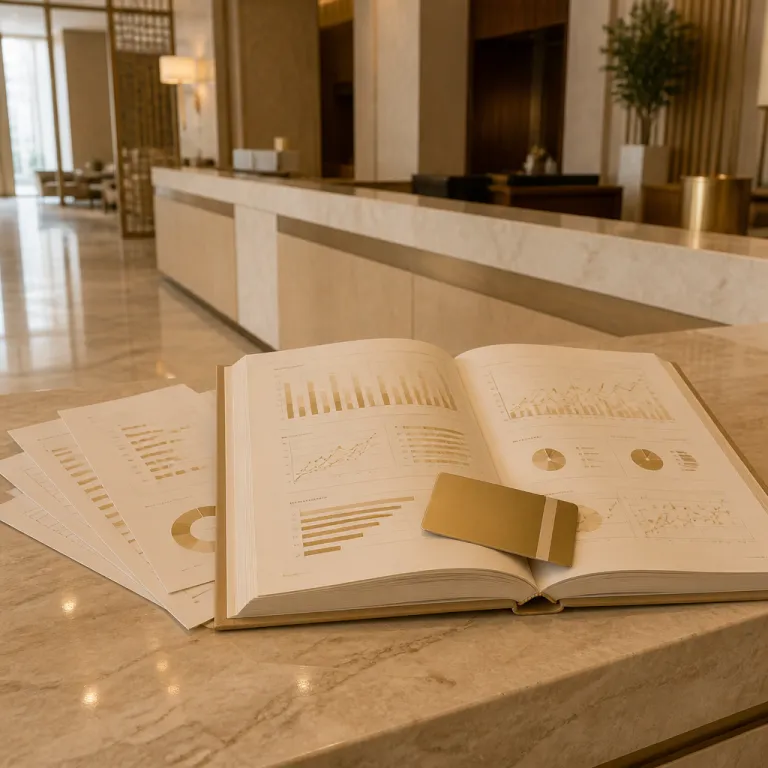
Three formats consistently earn high quality backlinks and improve hotel SEO across search engines. First, proprietary research such as quarterly booking trend reports by source market or device type, which can be broken down by local demand and seasonality to support local SEO and direct bookings. Second, benchmark reports comparing average daily rate, length of stay, and review scores across hotels in a destination, which position your site as an authority for travel journalists and trade media covering hotel business performance. When you publish these studies, include a short methodology box summarising timeframe, sample size, and data sources so that readers and journalists can verify the findings.
Third, data visualisations and interactive tools hosted on your website, such as a live dashboard of travelers search demand by country or a calculator that estimates savings from direct bookings versus OTA commissions. These assets improve user experience on the site, encourage other hotel websites and tourism partners to link back, and strengthen your Google Business profile through embedded content and structured data. When you analyse how post stay feedback powers Google AI visibility in the hotel review funnel, you see how reviews, content marketing, and SEO strategy converge into a single authority signal.
Turning internal hotel data into public authority for search engines
Every hotel already sits on a goldmine of information that can fuel data-driven link building and search visibility, but most of it remains locked in the PMS, CRS, and CRM. Revenue managers track bookings by channel, lead time, and room type, while operations teams monitor guest satisfaction scores and service recovery outcomes. When this information is anonymised, aggregated, and transformed into content, it becomes a powerful asset for both search and metasearch visibility.
Start with a clear SEO strategy that defines which searches you want to win, from brand queries to local travel intent such as “family friendly hotels near the convention centre”. Map each target search to a data story that your hotel can tell better than any OTA or aggregator, such as how business travel has shifted midweek bookings or how local events impact last minute searches. Then work with data journalists and SEO specialists to design content formats that integrate schema markup, structured data, and technical SEO best practices so that search engines can fully understand and surface your insights.
Publishing these assets on your main website, not on a separate microsite, concentrates authority on the core domain and supports both hotel SEO and local SEO. Over time, as more industry publications, local media, and tourism partners link to your research, your business profile in Google Business strengthens and your online visibility improves across organic search, map packs, and metasearch units. To stay visible when a growing share of queries never leave Google, study zero click hotel search dynamics in this analysis of how to stay visible when 60 percent of queries never leave Google.
Outreach strategy: from digital PR to metasearch ready authority
Creating strong content is only half of a modern hotel link building programme; the other half is disciplined outreach. Digital PR has become the top performing tactic for earning links because it connects your research with journalists, analysts, and influencers who already shape hotel and travel coverage. When your team treats each data release like a product launch, you stop begging for links and start fielding inbound requests for comment.
Target three concentric circles with your outreach strategy to maximise both authority and referral traffic. The inner circle includes hospitality trade publications such as Skift, PhocusWire, and Hotel News Now, which frequently cite data driven stories about hotels, bookings, and travelers search behaviour. The middle circle covers local media, chambers of commerce, and tourism boards that care about travel demand, hotel performance, and reviews in your destination, and that often link to hotel websites when referencing market data.
The outer circle consists of technology vendors, metasearch platforms, and OTAs that publish thought leadership on search engines, user experience, and online visibility. When your research sheds light on topics like metasearch bid efficiency or the campaign where the CPA dropped below the OTA commission, these partners have a strong incentive to reference your site. One data point often cited in industry discussions is that the average cost per quality backlink can exceed 500 USD; while exact figures vary by study and methodology, the direction of travel is clear, so every earned link from digital PR and content marketing must justify its cost in referral traffic, assisted conversions, and long term SEO performance for hotels.
Measuring link quality and SEO impact on hotel performance
Without rigorous measurement, hotel link building based on data journalism becomes another marketing story that never reaches the P&L. To convince a general manager or a digital director, you must connect each campaign to concrete outcomes in search visibility, direct bookings, and metasearch efficiency. That means tracking not only domain authority and link counts, but also how new backlinks influence rankings for priority searches and the share of traffic that converts into guests.
Start by segmenting backlinks into tiers based on domain authority, topical relevance to travel and hotels, and expected referral traffic. Links from industry publications that cover hotel business strategy carry more authority for a search engine than generic lifestyle blogs, even if the latter send more clicks. Use SEO analytics platforms to correlate new links with changes in rankings for hotel SEO and local SEO terms, and monitor how these shifts affect click through rates from search engines and metasearch units.
Then connect organic and metasearch performance by tracking how improved online visibility in classic search supports lower CPAs in Google Hotel Ads and other metasearch channels. When your website becomes a recognised authority, travelers who first encounter your brand in metasearch are more likely to conduct direct searches for your hotel name and complete direct bookings on your site. This feedback loop between authority, user experience, and bookings is where technical SEO, schema markup, and structured data quietly amplify every high quality link you earn.
Building the internal machine: teams, tools, and AI for SEO hotels
Hotel link building rooted in data journalism only scales when you treat it as an ongoing programme, not a one off campaign. Hotel marketing teams, SEO specialists, and data journalists must align on a shared roadmap that spans research, content creation, and digital PR. A simple quarterly cadence works well; Q1 for strategy planning, Q2 for content production, Q3 for outreach, and Q4 for performance analysis and optimisation.
On the tools side, combine SEO analytics platforms, content management systems, and data visualisation software to turn raw data into publishable content that search engines can easily parse. Integrate schema markup and structured data into every major asset so that Google, Bing, and other search engines understand entities such as hotel names, locations, reviews, and pricing trends. When you layer AI driven content analysis and trend prediction on top of this stack, you can identify emerging traveler questions and searches before competitors, then respond with timely research that earns links.
Partnerships also matter; industry publications, research institutions, and influencers can co publish or amplify your findings, multiplying the authority impact for your website and business profile. As digital PR budgets grow and many marketers now cite it as their top performing tactic, hotels that operationalise this approach will outpace those still chasing low value links. For a concrete example of how enterprise level hotels are using AI and data to reshape their search and content strategy, study this analysis of an enterprise wide AI deployment in US hospitality and consider how similar principles could apply to your own SEO hotel initiatives.
Key figures that define modern hotel link building
- Industry estimates suggest the average cost per quality backlink can be in the hundreds of dollars, which forces hotels to prioritise high quality, data driven content that can justify this investment through sustained organic traffic and bookings. Always review the latest studies and methodologies before applying any specific benchmark to your own budget.
- Surveys of SEO professionals consistently rank digital PR among the top performing link building tactics, underscoring why hotels must treat outreach to media and analysts as a core SEO strategy rather than an optional activity.
- Recent research from outreach platforms points to rising link building budgets, reflecting how competitive hotel SEO and local SEO have become in major urban and resort markets and how much brands are willing to invest in authority.
- Independent visibility analyses using tools such as SISTRIX and similar suites have highlighted periods where large OTAs and review platforms lost search visibility while major hotel brands gained, which supports the focus on hotel websites as primary authority hubs. Exact numbers vary by market, keyword set, and timeframe, so hotels should run their own benchmarking.
- As more travelers search within Google’s own interfaces and zero click environments, hotels that invest in structured data, schema markup, and rich content see higher impressions in map packs and knowledge panels even when clicks do not immediately follow, strengthening brand recognition and future direct search behaviour.
FAQ: data journalism, SEO, and hotel link building
What is data journalism in link building?
Data journalism in link building means creating content based on original data analysis to attract backlinks. For hotels, this involves turning booking trends, guest surveys, and review analytics into public reports that other sites want to reference and link to, supported by clear notes on sources and methodology.
Why is original research important for SEO?
Original research is important for SEO because it provides unique content that earns authoritative backlinks. When a hotel publishes proprietary insights that no OTA or competitor offers, and documents how the data was collected and analysed, search engines treat that website as a trusted source, which improves rankings and online visibility.
How does digital PR aid in link building?
Digital PR aids in link building by promoting content to media outlets and opinion leaders, gaining high-quality backlinks. For hotel marketing teams, this means pitching data stories to travel journalists, local media, and industry analysts who can amplify the research, request additional commentary, and link back to the hotel site.
Which internal hotel data is most useful for SEO focused research?
The most useful internal data for hotel link building and SEO focused research includes booking pace by channel, cancellation rates, length of stay, guest satisfaction scores, and review sentiment by theme. When anonymised and aggregated, these data points can reveal patterns in traveler behaviour, seasonality, and pricing that attract attention from both travelers and industry professionals.
How should hotels evaluate the ROI of data driven link building?
Hotels should evaluate ROI by combining classic SEO metrics with commercial outcomes. Track changes in rankings for priority searches, growth in organic and referral traffic, improvements in direct bookings, and any reduction in metasearch CPAs that correlates with stronger authority and better user experience on the website. Where possible, document attribution windows and sample sizes so stakeholders can trust the conclusions.
Case study: how one city hotel turned data into links and bookings
A 220 room business hotel in a European capital used a simple data journalism approach to improve visibility before a major trade fair season. Over 12 months, the team anonymised PMS and review data to publish a quarterly “city business travel barometer” covering booking lead times, average daily rate by weekday, and satisfaction scores for Wi-Fi and meeting facilities.
They followed a clear methodology: export one year of bookings and reviews, remove all personal identifiers, group results by month and traveler segment, and validate the findings with revenue management and operations. The final report included charts, commentary from the general manager, and structured data markup. After pitching the story to local media and trade publications, the hotel earned 26 new backlinks from 11 domains, improved average ranking from position 18 to 7 for its main “business hotel + city” keyword cluster, and saw a 19 percent increase in direct bookings from organic search during the following fair season. These figures were based on approximately 14,000 room nights and 3,200 post stay surveys over the analysis period.
How we collect and aggregate hotel data for SEO content
To build trustworthy data driven content, hotels should follow a transparent and privacy safe process. Start by defining the business questions your content will answer, such as “How do weekend rates compare to weekdays for leisure travelers?” or “Which source markets book the longest stays in shoulder season?” Then export only the fields required from your PMS, CRS, and CRM, excluding names, emails, and any identifiers.
Next, aggregate the data at a level that protects individual guests—by month, segment, country, or room type—and run basic checks for outliers or obvious errors. Combine these internal figures with publicly available tourism statistics where relevant, and document the timeframe, sample size, and tools used for analysis in a short methodology note on the page. This level of transparency helps journalists, analysts, and search engines trust your hotel link building and data journalism assets and makes them more likely to reference and link to your work.