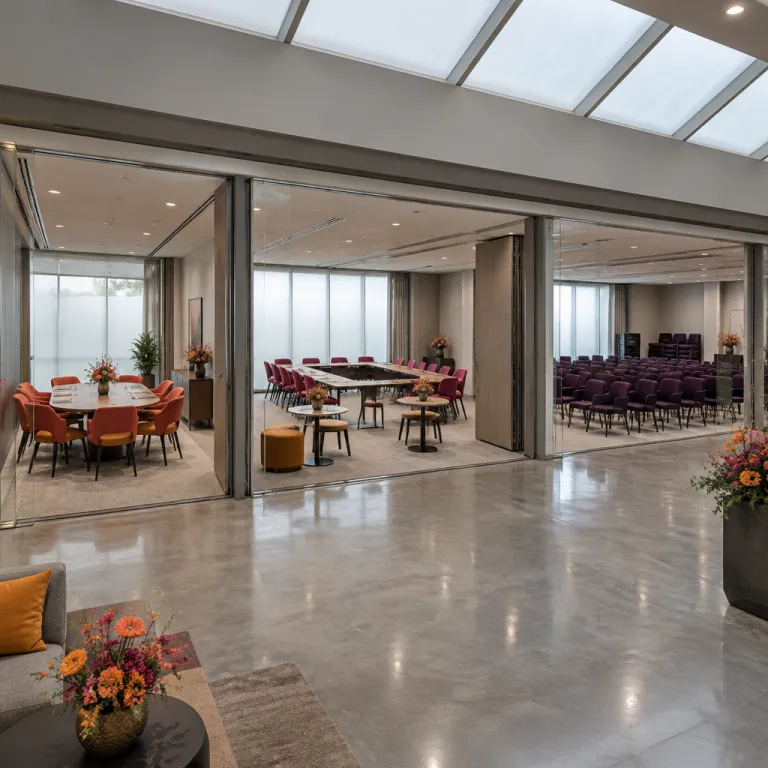
From generic clicks to intent rich queries around hotel havana capacity
Meta-search platforms no longer thrive on generic hotel clicks alone. When a planner searches for “hotell havanna meeting event spaces capacity”, the platform must understand that this is a high intent query about a specific hotel, a specific event space, and a very specific capacity need. For Responsables e-commerce and directeurs digitaux, this shift from broad hotel searches to granular meeting and event signals is redefining how demand is captured in every city.
Behind that single query, the user is often comparing several hotels and evaluating each venue by its meeting rooms, max capacity, and layout flexibility for guests. They are not just looking for any room in a hotel havana style property, but for a meeting room or event space that can host a reception banquet, a cocktail reception, or a theater style conference with a clear capacity guests limit. When meta-search engines surface structured data on capacity people, meeting space size in square meters, and the type of events supported, they transform a simple search into a qualified lead for meetings events.
For hotel havana type properties, this means that every event, every meeting, and every semi private reception must be translated into machine readable attributes. A hotel that clearly exposes each meeting room, each event space, and each restaurant or beach adjacent area with its location capacity and state of the art equipment will rank better for these intent rich queries. In practice, the hotell havanna meeting event spaces capacity narrative becomes a core SEO asset, guiding how private events, special events, and conferences are described across meta-search feeds.
Structuring hotell havanna meeting event spaces capacity for meta-search feeds
Most meta-search engines still receive incomplete content about meeting rooms and event spaces from hotels. A typical feed might list the hotel name, a generic room type, and a few photos, while omitting the detailed capacity guests information that planners actually need for meetings events. For a hotel havana style property positioned as an urban resort with strong meeting event demand, this is a missed opportunity.
To capture user intent around hotell havanna meeting event spaces capacity, hoteliers must structure their data at the level of each individual event space. That means describing every meeting room, every semi private restaurant area, and every beach or terrace venue with clear capacity people figures for theater, classroom, banquet, and cocktail reception setups. When this granular meeting space data is pushed via API to meta-search and comparateurs, platforms can surface filters like “max capacity 120 guests”, “event spaces with natural light”, or “meeting rooms located heart of the city near Broadway style theater districts”.
Digital leaders can learn from how an urban resort such as Hotel Henry in Buffalo reshapes meta-search user intent by exposing its meeting space inventory in detail, as analysed in this case study on intent led meta-search for urban resorts. The same logic applies to any hotel havana inspired venue in a coastal city like Key West, where private events often combine a conference in a meeting room with a reception banquet on the beach. When the feed includes both the indoor meeting event capacity and the outdoor event space capacity guests figures, meta-search can match the right hotel to the right event planner in seconds.
Decoding user intent signals for meetings and special events
User intent around meetings events is far more nuanced than a simple “hotel in havana” search. A planner might type “hotel havana meeting room for 80 capacity people with beach access”, while another user searches for “private events venue located heart of the city near Broadway theater”. Both are looking for hotels, but their expectations about event spaces, meeting rooms, and reception formats differ radically. Meta-search platforms that decode these signals can route each query to the most relevant hotel havana style property with the right hotell havanna meeting event spaces capacity.
For Responsables e-commerce and revenue managers, the challenge is to map these intent clusters to specific meeting space products. Queries that mention “conference” or “state of the art meeting room” usually indicate a need for advanced AV, breakout rooms, and clear max capacity thresholds for capacity guests. Searches that include “cocktail reception”, “banquet”, or “reception banquet” often point to restaurant spaces, semi private lounges, or beach venues where the event space layout and location capacity matter more than the exact meeting room dimensions.
Meta-search engines can refine this mapping by analysing historical conversion data from destinations like Key West or other coastal city markets, where hotel havana type venues combine beach, theater style conference rooms, and flexible event spaces. A detailed analysis of intent led demand for vacation rentals in South Haven on Lake Michigan shows how granular intent patterns reshape inventory exposure, as explained in this study on intent led meta-search demand shifts. Applying the same methodology to hotell havanna meeting event spaces capacity allows platforms and hotels to prioritise the most profitable meeting event segments.
Aligning pricing transparency with meeting and event capacity
Price transparency on meta-search has traditionally focused on transient guests booking a standard room. When the query shifts to hotell havanna meeting event spaces capacity, the pricing logic becomes more complex, because each event space and meeting room can have different rates based on capacity people, layout, and date. For OTA partners and plateformes de meta-search, aligning this complexity with user friendly comparateurs is now a strategic priority.
One effective approach is to separate the base hotel rate for a room from the incremental cost of meeting space, event space, and special events services. A planner searching for a conference venue in a city like Key West should see a clear breakdown between guest room rates, meeting rooms rental, and optional reception banquet packages in the restaurant or beach area. When meta-search interfaces present this structure transparently, they help users understand how max capacity, capacity guests, and location capacity influence the total event budget.
For digital leaders, the concept of “per stay” pricing in meta-search can be extended to “per event” logic, where each meeting event is priced according to the combination of meeting space, private events options, and state of the art equipment required. A detailed analysis of how per stay pricing impacts transparency in hospitality meta-search is available in this in depth article on per stay price transparency. Applying similar principles to hotell havanna meeting event spaces capacity ensures that event planners can compare hotels and venues on a like for like basis, rather than guessing how many guests the event spaces can actually accommodate.
Designing on site content that feeds meta-search discovery
Meta-search performance for meetings events starts with the hotel website itself. If the on site content about meeting rooms, event spaces, and private events is vague, then even the best comparateurs cannot infer accurate hotell havanna meeting event spaces capacity. For hotel havana style properties, the website must function as a structured catalogue of every meeting room, every event space, and every semi private restaurant or beach area.
Each venue should have a dedicated page that specifies capacity people for theater, classroom, banquet, and cocktail reception formats, along with photos that show the meeting space in real event setups. Clear labels such as “conference venue located heart of the city”, “beach front event space with max capacity 150 capacity guests”, or “Broadway inspired theater room for special events and private events” help both users and search engines understand the offer. When this content is marked up with structured data, meta-search platforms can ingest it and present accurate filters for hotel havana type properties in any city.
Responsables e-commerce should also ensure that the booking journey reflects the same clarity about hotell havanna meeting event spaces capacity. When a planner selects a meeting event date, the interface should propose only those meeting rooms and event spaces that match the requested capacity guests and location capacity constraints. This alignment between website content, booking flows, and meta-search feeds builds trust, reduces friction for guests, and increases conversion for hotels that rely heavily on meetings events revenue.
Leveraging data partnerships between hotels, OTA, and meta-search platforms
Capturing user intent around hotell havanna meeting event spaces capacity requires tight collaboration across the ecosystem. Hotels, OTA, and plateformes de meta-search must agree on shared data standards for meeting rooms, event spaces, and capacity guests attributes. Without this alignment, a hotel havana style venue might appear with conflicting capacity people figures across different comparateurs, eroding trust for event planners.
One practical step is to define a common schema for every meeting room, event space, and restaurant or beach venue, including fields for max capacity, location capacity, state of the art equipment, and supported event types such as conference, cocktail reception, banquet, and reception banquet. OTA can then expose these attributes in their interfaces, allowing users to filter hotels by specific meetings events needs, such as “private events located heart of the city near Broadway theater” or “semi private beach event spaces for 60 guests”. When this schema is consistently applied, meta-search engines can aggregate and compare hotels with precision.
For revenue managers, the payoff is the ability to segment demand by meeting event type and optimise pricing for each meeting space and event space. A hotel havana style property in a city like Key West might find that conferences in theater style meeting rooms generate higher ancillary revenue than casual private events in semi private restaurant areas. By feeding these insights back into meta-search bidding strategies, hotels and OTA can prioritise the most profitable hotell havanna meeting event spaces capacity segments and secure a stronger presence in high intent search results.
Key statistics on meta-search, meetings, and event capacity
- According to data from STR, group and meetings segments can represent between 20 % and 35 % of total room revenue for full service hotels in major city markets, which makes accurate exposure of meeting rooms and event spaces on meta-search critical for long term revenue growth. For example, the STR Hotel Performance and Outlook reports for North America (2019–2023) consistently show group ADR and RevPAR outpacing transient in large convention cities.
- Research from Cvent indicates that more than 70 % of event planners now start venue research online, and a growing share use meta-search style comparateurs to shortlist hotels based on meeting space capacity and location capacity filters. In Cvent’s Planner Sourcing Report series, digital venue search and comparison tools rank among the top three channels for initial hotel discovery.
- Studies by Google on travel search behaviour show that users who include terms related to “meeting”, “conference”, or “event space” in their queries have significantly higher conversion rates than generic hotel searchers, reflecting the strong intent behind hotell havanna meeting event spaces capacity type searches. Google’s Travel Insights and Think with Google hospitality briefs highlight that event-related queries often convert at multiples of standard hotel searches.
- Industry surveys from HSMAI highlight that hotels with structured data on meeting rooms and event spaces see up to 20 % higher engagement on their venue pages, because planners can quickly assess capacity guests, layout options, and state of the art equipment before submitting an RFP. HSMAI’s digital marketing benchmarking studies repeatedly recommend structured content for meetings events as a best practice.
- Data from major OTA platforms suggests that properties which clearly differentiate between guest room inventory and meeting event inventory in their content achieve better visibility in filters for private events, special events, and conferences, especially in competitive city destinations. Internal OTA A/B tests often show higher click-through rates when meeting space capacity, max capacity, and supported event types are exposed as separate, filterable attributes.
FAQ about meta-search and hotell havanna meeting event spaces capacity
How should hotels structure data about meeting rooms for meta-search ?
Hotels should create a separate record for each meeting room and event space, including fields for capacity people in different layouts, location capacity details, and supported event types such as conference, banquet, and cocktail reception. This structured data must be consistent across the hotel website, OTA extranets, and meta-search feeds. When the same hotell havanna meeting event spaces capacity information appears everywhere, planners trust the figures and are more likely to submit an enquiry.
Why is user intent so important for meetings and events on meta-search ?
User intent determines whether a searcher is planning a small private event, a large conference, or a hybrid meeting event that combines several event spaces. Meta-search platforms that decode these signals can surface hotels and venues with the right meeting space, capacity guests, and location capacity for each scenario. This alignment improves conversion for hotels and reduces time wasted on unsuitable proposals for event planners.
How can OTA better support hotell havanna meeting event spaces capacity searches ?
OTA can enhance their interfaces by adding filters for meeting rooms, event spaces, and max capacity, rather than focusing solely on guest room counts. They should also display clear information about state of the art equipment, semi private options, and whether the venue is located heart of the city or near attractions like a beach or theater district. When OTA expose this level of detail, they become more relevant for meetings events planners using meta-search.
What role does pricing transparency play for meeting and event bookings ?
Pricing transparency helps planners understand how room rates, meeting space rental, and reception banquet or cocktail reception packages combine into a total event cost. Meta-search platforms that present this breakdown clearly, especially for hotel havana style properties with multiple event spaces, build trust and encourage direct enquiries. Transparent pricing also allows revenue managers to test different strategies for each meeting event type without confusing guests.
How can hotels measure the impact of meta-search on their meetings events business ?
Hotels should track KPIs such as the number of RFPs generated from meta-search referrals, conversion rates for meeting event enquiries, and revenue per available meeting space. Comparing these metrics across different city markets and hotel havana style properties reveals which event spaces and capacity guests segments respond best to meta-search exposure. Over time, this data guides investment in new meeting rooms, upgraded state of the art equipment, or redesigned private events areas.