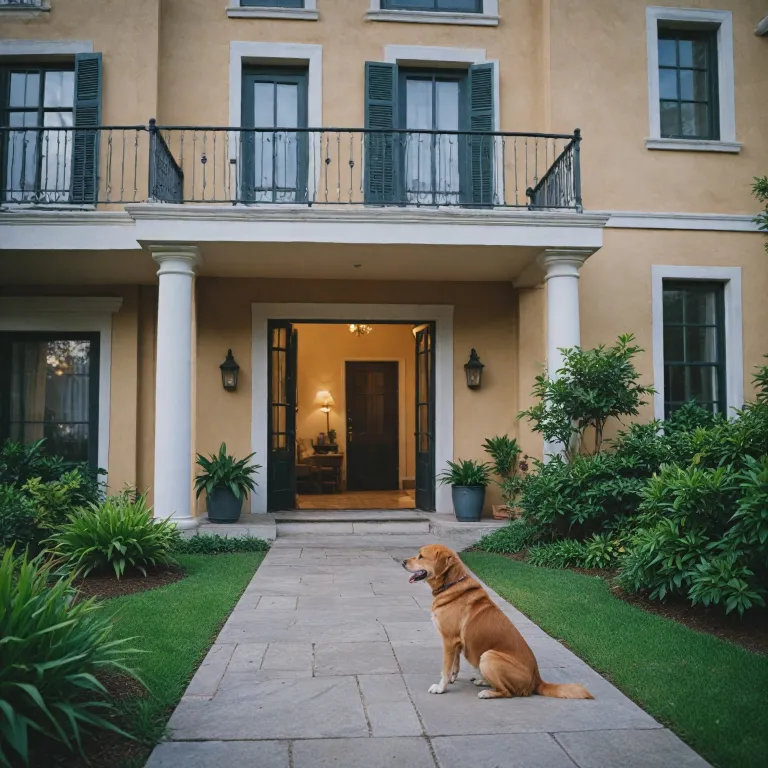
Understanding the landscape of price comparison for pet-friendly hotels
For e-commerce managers, digital directors, and revenue strategists, the evolution of price comparison for pet-friendly hotels has become a pivotal factor in the hospitality sector. The surge in pet ownership has led to a marked increase in demand for hotels, suites, and boutique hotels that accommodate pets, especially in major cities like Chicago, San Francisco, Los Angeles, and San Diego. Platforms specializing in meta-search and comparateurs now play a crucial role in enabling travelers to find hotels that not only welcome pets but also offer transparent information on pet fees, amenities, and policies.
Major hotel chains such as Hilton, Marriott, Hyatt, IHG, Wyndham, and Best Western have responded by refining their pet policies and enhancing their digital presence. The ability to compare the lowest average rates, pet fees, and amenities across hotels and suites is now a core expectation among travelers. For instance, the average pet fee at Hilton hotels is 85 USD, while Marriott hotels average 121.82 USD, and Hyatt hotels 105 USD. These figures highlight the importance of accurate, up-to-date data for both consumers and industry professionals.
Meta-search platforms and comparateurs must ensure their algorithms capture the nuances of pet-friendly policies, including whether a hotel charges per night or per stay, and the range of amenities offered. As the market matures, hotels that provide clear, competitive pet fee structures and superior pet-friendly amenities are positioned to capture greater market share. The ongoing challenge is to maintain data integrity and real-time accuracy, especially as hotels update their policies in response to shifting traveler expectations.
Key drivers shaping the pet-friendly hotel segment
The rise in demand for pet-friendly hotels and suites is driven by shifting traveler demographics and evolving lifestyle preferences. Urban centers like Chicago, San Francisco, and Los Angeles have seen a proliferation of hotels, including Hilton Garden Inn, Embassy Suites, Red Roof Inn, and boutique hotels, all adapting to the needs of pet owners. The ability to find hotels that balance comfort, location, and pet-friendly amenities is now a decisive factor in the booking process.
For digital directors and revenue managers, understanding the competitive landscape involves more than just tracking average rates. It requires a granular analysis of pet fees, the availability of suites, and the consistency of pet policies across brands such as Marriott hotels, Hyatt, and IHG. The "best hotel" for a pet owner is often determined by a combination of the lowest average pet fee, the quality of pet amenities, and the overall guest experience.
Meta-search platforms and comparateurs must integrate robust filtering options, allowing users to search for hotels pet policies, fee structures, and proximity to parks or city attractions. For example, travelers seeking a stay at a Hilton Garden Inn or a boutique hotel in San Diego can now compare pet fees, available suites, and the presence of pet-friendly parks nearby. For more insights into optimizing your digital strategy, explore our guide on hotel distribution channels.
Meta-search platforms: Enhancing transparency and trust in pet-friendly hotel selection
Meta-search platforms have revolutionized the way travelers find hotels, particularly when searching for pet-friendly options in cities like San Francisco, Los Angeles, and Chicago. By aggregating data from multiple sources, these platforms enable users to compare the lowest average rates, pet fees, and amenities across a wide range of hotels, including suites Hilton, Marriott hotels, and Red Roof Inn. This transparency is essential for building trust among travelers and industry stakeholders alike.
For OTAs and technology providers, integrating real-time data analytics is critical to maintaining the accuracy of price comparison for pet-friendly hotels. The ability to display up-to-date information on pet fees, such as the average pet fee of 76.01 USD across major hotel chains, empowers travelers to make informed decisions. As one expert notes, "Always confirm the hotel's pet policy before booking." This advice underscores the importance of clear, accessible information in the booking process.
To further enhance user experience, meta-search platforms should offer detailed filters for pet-friendly hotels, including options to find hotels with the best pet amenities, lowest average pet fee, and proximity to city parks. For a deeper dive into optimizing your meta-search strategy, visit our resource on hotel rate parity management.
Comparateurs and the role of dynamic pricing in pet-friendly hotel bookings
Comparateurs have become indispensable tools for both travelers and industry professionals seeking the best hotel deals for pet owners. The ability to compare rates, pet fees, and amenities across hotels, suites, and boutique hotels in real time is a significant advantage. For instance, travelers can now evaluate the pet fee at a Hilton Garden Inn in San Diego versus a Best Western in Chicago, ensuring they find the best hotel for their needs.
Dynamic pricing models are increasingly being adopted by hotels and OTAs to optimize revenue while remaining competitive in the pet-friendly segment. Revenue managers must analyze data on average pet fees, occupancy rates, and seasonal demand to adjust pricing strategies accordingly. This approach ensures that hotels, whether part of the Marriott, Hyatt, or Wyndham portfolios, can attract pet owners while maximizing profitability.
Comparateurs also play a crucial role in educating travelers about the nuances of pet policies. For example, "Do all pet-friendly hotels charge a pet fee? Not all; for example, Kimpton Hotels, part of IHG, welcome pets without additional fees." This level of detail helps travelers make informed choices and fosters loyalty to brands that prioritize transparency and value.
Optimizing the guest experience: Pet amenities and value-added services
The guest experience in pet-friendly hotels extends beyond competitive pricing and transparent pet fees. Leading brands such as Hilton, Marriott, Hyatt, and IHG have invested in value-added services, including pet beds, bowls, treats, and even gourmet pet menus at select locations. These amenities are particularly important in boutique hotels and suites, where personalized service can differentiate a property in a crowded market.
Travelers increasingly expect hotels to offer not only pet-friendly rooms but also access to parks, walking trails, and city attractions suitable for pets. Properties like Embassy Suites, Hilton Garden Inn, and Red Roof Inn in cities such as Los Angeles and San Francisco have responded by enhancing their pet-friendly offerings. As one expert highlights, "Do pet-friendly hotels offer special amenities for pets? Many do, including pet beds, bowls, treats, and even gourmet pet menus at luxury locations."
For revenue managers and digital directors, the challenge lies in balancing the cost of these amenities with the need to maintain competitive pricing. By leveraging data from meta-search platforms and comparateurs, hotels can identify which amenities drive bookings and adjust their offerings accordingly. This data-driven approach ensures that hotels remain attractive to pet owners while optimizing operational efficiency.
Best practices for revenue managers and digital leaders in the pet-friendly segment
Revenue managers, digital leaders, and OTAs must adopt a holistic approach to price comparison for pet-friendly hotels. This involves continuous monitoring of market trends, competitor pricing, and guest preferences across hotels, suites, and boutique hotels. The integration of advanced analytics and real-time data feeds enables hotels to adjust their pet fee structures and amenities in response to changing demand.
Collaboration between hotel brands, meta-search platforms, and comparateurs is essential for maintaining data accuracy and enhancing the guest experience. For example, "Are pet fees charged per night or per stay? It varies by hotel; some charge per night, while others have a one-time fee per stay." This variability underscores the need for clear communication and standardized data across all digital channels.
By prioritizing transparency, value, and guest satisfaction, hotels can position themselves as leaders in the pet-friendly segment. The ability to find hotels with the best combination of price, amenities, and location is now a key differentiator in the marketplace. As the sector continues to evolve, ongoing investment in technology and data analytics will be critical for sustained success.
Future trends and opportunities in price comparison for pet-friendly hotels
The future of price comparison for pet-friendly hotels will be shaped by advances in technology, changing traveler expectations, and increased competition among hotel brands. Real-time data analytics, AI-driven personalization, and enhanced filtering options will empower travelers to find hotels that meet their specific needs, whether they seek the lowest average pet fee or the best hotel amenities for their pets.
Hotel chains such as Hilton, Marriott, Hyatt, and IHG are expected to continue refining their pet policies and expanding their suite offerings to attract a broader segment of pet owners. The growth of boutique hotels and alternative accommodations, such as vacation rentals, will further diversify the market and increase the importance of accurate, comprehensive price comparison tools. As one expert notes, "Is it cheaper to stay in a pet-friendly hotel or an Airbnb with a pet? It depends on the specific hotel or Airbnb; some Airbnbs may have lower pet fees, but amenities and policies vary."
For industry professionals, the key to success lies in leveraging data, embracing innovation, and maintaining a relentless focus on guest satisfaction. By staying ahead of emerging trends and continuously optimizing their digital strategies, hotels can secure their position as the best hotel choice for pet owners in every city.
Key statistics on price comparison for pet-friendly hotels
- Average pet fee across major hotel chains: 76.01 USD
- Percentage of Hyatt properties that welcome pets: 94%
- Average pet fee at Hyatt hotels: 105 USD
- Average pet fee at Marriott hotels: 121.82 USD
- Average pet fee at Hilton hotels: 85 USD
Frequently asked questions about price comparison for pet-friendly hotels
Which hotel chains are most pet-friendly?
According to NerdWallet, IHG, Hilton, and Marriott are among the most pet-friendly hotel chains.
Do all pet-friendly hotels charge a pet fee?
Not all; for example, Kimpton Hotels, part of IHG, welcome pets without additional fees.
Are pet fees charged per night or per stay?
It varies by hotel; some charge per night, while others have a one-time fee per stay.