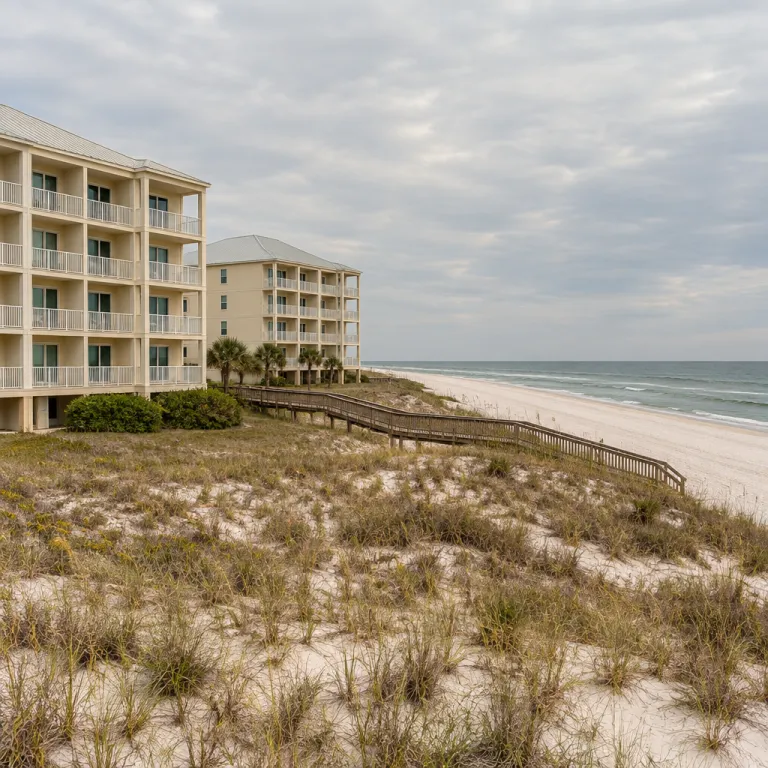
From “wind drift condos orange beach” to intent signals, not generic clicks
When a traveler types “wind drift condos orange beach” into a meta-search engine, they reveal layered intent that goes far beyond a simple condo query. That single phrase encodes a wish for a specific Orange Beach location, a certain type of vacation rental, and a stay that feels tailored rather than generic. For e-commerce leaders and revenue managers, the challenge is to translate that wind of raw demand into structured data that guides every bid, every review surface, and every rate shown.
Wind Drift Condominiums in Orange Beach sit between the Gulf of Mexico and Ole River, so user intent often mixes beach and boat expectations in one search. A guest looking at Wind Drift condos in Orange Beach may compare a Gulf-front condo with a riverfront unit that offers boat slips, and both options must appear clearly differentiated in meta-search. If your meta-search feed only pushes price and star rating, you miss the deeper drift of intent around outdoor pools, tennis courts, and the dual waterfront lifestyle that defines this specific Gulf Coast complex.
Travel planners and OTA partners know that each rental at Wind Drift can have different bedroom configurations, bathroom counts, and even different views of the orange sunset over the Gulf. A family may filter for three bedrooms and two bathrooms with TVs in the living room, while a couple prioritizes a smaller condo with a clean layout, in-unit washer and dryer, and free Wi-Fi for remote work. Meta-search strategies that treat every room as interchangeable ignore the detailed, room-level signals that actually drive a comfortable stay and higher conversion.
Decoding user intent around beach, boat, and room level attributes
Search journeys that start with “wind drift condos orange beach” usually evolve into more precise comparisons of beach access, boat facilities, and in-room comfort. Some guests care most about stepping directly onto the sand from a Gulf-front building, while others value secure boat slips on Ole River and quick access to the Wharf Amphitheater for evening events. Meta-search partners and comparison platforms must therefore classify each condo unit by both shoreline and river attributes, not just by generic location tags like Gulf Shores or Gulf Coast.
At Wind Drift, the owners’ association manages quiet hours, parking registration rules, and building upgrades, which all influence perceived value in guest review content. When your feed exposes these policy details and amenity upgrades, revenue managers can align bidding with segments that will definitely stay longer and enjoy the stay more, such as boat owners or tennis enthusiasts. A detailed feed also lets OTA interfaces surface whether available checkout times match late concerts at the Wharf Amphitheater, or whether check-in and checkout windows suit early flights from nearby regional airports serving Gulf Shores and Orange Beach.
For digital directors, the priority is to map every attribute to explicit filters and implicit signals across meta-search and price comparison engines. If a user clicks repeatedly on units with outdoor pools and fully equipped kitchens, your algorithm should adjust the drift of recommendations away from bare-bones studios and toward larger bedroom layouts. Deep analysis of click paths around bedroom and bathroom combinations, TV placement, and cleanliness scores lets you refine intent models and, as explored in this guide on capturing meta-search intent in hospitality, align bids with the most profitable micro segments.
Structuring content feeds for “stay narratives”, not just room grids
Wind Drift Condominiums in Orange Beach illustrate why meta-search content must sell the stay, not only the room. A Gulf-front condo with two bedrooms, two bathrooms, and TVs in the bedrooms tells a different story from a riverfront unit with boat slips and quick access to the tennis courts. When your feed structures these narratives, the user who searched “wind drift condos orange beach” can instantly see which option matches their ideal stay rather than scrolling through endless, undifferentiated room lists.
Each unit should carry structured fields for beach distance, view type, boat access, outdoor pool proximity, and whether the kitchen is fully equipped for families who will cook most nights. Include operational details such as Wi-Fi quality, washer and dryer availability, and any registration requirements for boat slips or parking, because these influence both booking intent and later guest review sentiment. When a guest reads that a condo is clean, comfortable, and offers a nice balance between Gulf views and Ole River boating, they can mentally rehearse their stay before they commit.
For OTAs and technology publishers, this means building schemas that connect every detailed room attribute with narrative copy and visual assets. A bedroom configuration that suits six guests should be paired with photos of the beach at sunset, the front façade of the Gulf building, and the nearby Wharf Amphitheater to anchor expectations. This narrative approach aligns with the idea of selling the stay experience rather than the room alone, a strategy explored in depth in this analysis of how Google’s Things to Do reshapes hotel discovery, and it is especially powerful when applied to a complex like Wind Drift on the Alabama Gulf Coast.
Aligning pricing, reviews, and registration flows with intent
Once user intent around “wind drift condos orange beach” is decoded, pricing and registration flows must reinforce that understanding rather than fight it. A family booking a Gulf-front condo for a week at the beach expects transparent fees, clear check-in and checkout instructions, and reassurance that the unit will be clean on arrival. If meta-search partners show conflicting policies or hide available checkout times, the guest will hesitate and may abandon the booking despite finding the perfect room.
Revenue managers should link price fences to specific amenity bundles, such as outdoor pool plus tennis court access, or boat slips plus secure parking for trailers. When a guest selects a riverfront unit with boat access, the registration path should highlight slip numbers, any association rules, and whether guests will need to bring their own equipment or linens beyond the starter kits. This level of clarity reduces friction, increases the likelihood that guests enjoy the stay, and often leads to a stronger guest review that reinforces your quality score in meta-search rankings.
For e-commerce managers, the payment and confirmation journey is where intent either crystallizes or dissolves. Make sure the confirmation email repeats key room details, from bedroom and bathroom counts to TV locations and washer and dryer instructions, so guests arrive fully informed. When the stay ends, automate a post-stay survey that invites a structured guest review on beach access, room comfort, Wi-Fi reliability, and overall value at Wind Drift in Orange Beach, then feed those ratings back into your bidding and merchandising logic.
Operational data from Wind Drift as a meta-search optimization lab
Wind Drift Condominiums operate under an active owners’ association and rental managers such as Beachball Properties, which creates a rich operational dataset for meta-search optimization. Public listings indicate that the complex includes on the order of one hundred individual condos split between Gulf-front and riverfront buildings, each with different bedroom layouts, bathroom counts, and amenity mixes. For OTAs and meta-search platforms, this diversity allows controlled testing of how specific features like outdoor pools, tennis courts, or boat slips influence click-through and conversion when surfaced prominently.
Association dues, building upgrades, and maintenance schedules also shape guest expectations and should inform your messaging. When roofs, balconies, or windows are renewed, highlight the improved comfort and noise insulation in your condo descriptions, especially for units facing the wind and waves on the Gulf side. Clear communication about quiet hours, parking limits, and registration rules for primary renters helps ensure that guests will respect community standards and still feel comfortable during their stay.
Because Wind Drift sits within a short drive of Gulf Shores attractions and regional airports, meta-search campaigns can target event-driven and fly-drive segments with tailored creatives. A guest attending a concert at the Wharf Amphitheater may prioritize a clean, compact unit with fast Wi-Fi and late checkout available, while a boating group values larger rooms, multiple TVs, and secure boat slips. By segmenting performance data at this granular level, revenue managers can decide where to definitely stay aggressive on bids and where to let the drift of demand settle at higher margins.
Designing cross channel journeys around “wind drift condos orange beach” intent
User journeys that start on a meta-search engine with “wind drift condos orange beach” often continue across OTA listings, brand sites, and even social media. To keep the experience coherent, every channel must repeat the same core truths about the beach access, the dual waterfront setting, and the specific comfort of each condo unit. If a guest sees a Gulf-front room with two beds and a balcony on one platform, they should find identical room information and pricing when they click through to your direct site.
E-commerce teams should orchestrate campaigns where meta-search ads, retargeting creatives, and email flows all emphasize the same stay narrative. For example, a campaign might focus on families who will enjoy outdoor pools, tennis courts, and easy drives to Gulf Shores attractions, while another targets couples seeking quiet Gulf sunsets and concerts at the Wharf Amphitheater. In both cases, highlight practical comforts such as fully equipped kitchens, washer and dryer access, reliable Wi-Fi, and clear check-in and checkout instructions, because these elements often appear in guest review comments and influence future searchers.
For technology publishers, Wind Drift offers a blueprint for building flexible APIs that expose every relevant attribute to partners. Your schema should allow OTA and meta-search platforms to query for beach distance, boat slip availability, bedroom and bathroom configurations, TV placements, and even association rules that affect guests. When these structured fields are combined with narrative content and strategies like those outlined in this guide on selling the stay experience, the result is a discovery journey where guests feel informed, reassured, and ready to book their next stay on the Gulf Coast.
Key figures for meta-search and Wind Drift Condominiums
- Public records and listing data suggest that Wind Drift Condominiums comprise roughly one hundred individual units across Gulf-front and riverfront buildings, giving revenue managers a sizable but controlled inventory for A/B testing amenity-led merchandising.
- Typical monthly association dues reported in listings are in the mid-hundreds of US dollars per unit, reflecting the cost of maintaining beach access, boat slips, outdoor pools, and tennis courts, all of which should be highlighted in value messaging on meta-search channels.
- Recent advertised prices for two-bedroom Gulf-front condos at Wind Drift fall in a mid to upper price band for Orange Beach, where guests expect clean standards, fully equipped kitchens, and reliable Wi-Fi. Exact sale prices vary by unit, season, and market conditions and should be verified against current MLS data.
- Quiet hours commonly enforced by the association, along with a minimum renter age policy, shape the guest profile, which meta-search partners can use to target more mature segments seeking a comfortable, peaceful stay rather than party-oriented trips.
- The proximity of Wind Drift to regional airports and the broader Gulf Shores area supports short-break and fly-drive demand that often values flexible checkout times and efficient check-in and checkout processes.
FAQ about Wind Drift Condominiums and meta-search strategy
Is Wind Drift in Orange Beach directly on the beach ?
Yes, the south buildings at Wind Drift are Gulf-front and offer beach access via private or semi-private boardwalks, while the north buildings sit on Ole River and focus more on boat slips and river views. Meta-search listings should clearly label whether a unit is Gulf-front or riverfront so guests can choose the stay that best matches their intent. This distinction is crucial when users search for “wind drift condos orange beach” expecting immediate access to the shoreline.
Are short term rentals allowed at Wind Drift Condominiums ?
Short-term vacation rentals are permitted at Wind Drift, and many units are managed by professional companies such as Beachball Properties under the oversight of the Wind Drift owners’ association. For OTA and meta-search partners, this means a steady flow of inventory with consistent standards for cleaning practices, check-in and checkout procedures, and guest communication. Highlighting these professional management structures can reassure guests who will book through comparison sites rather than direct channels.
What amenities matter most for meta-search performance at Wind Drift ?
The amenities that most influence click-through and conversion include beach access, outdoor pools, tennis courts, boat slips on Ole River, and in-unit comforts such as fully equipped kitchens, washer and dryer sets, and Wi-Fi. When these features are clearly tagged and surfaced in filters, guests can quickly find the condo that matches their stay expectations. Detailed descriptions of bedroom and bathroom layouts, TV placements, and proximity to the Wharf Amphitheater also help differentiate units in crowded meta-search results.
How should pricing be positioned for Wind Drift units on meta-search ?
Given that two-bedroom Gulf-front condos at Wind Drift are typically marketed in a mid to upper tier price range for Orange Beach, nightly rates should reflect that positioning while still competing with other Gulf Shores and Gulf Coast properties. Revenue managers should tie price points to specific amenity bundles, such as Gulf-front views plus pool access or riverfront units plus boat slips, and make these bundles explicit in meta-search descriptions. Transparent fees, clear registration rules, and visible checkout times help justify higher rates and support positive guest review outcomes.
What operational rules should be communicated in meta-search listings ?
Key operational rules that should appear in meta-search and OTA listings include any minimum renter age, quiet hours, limits on parking passes per unit, and registration requirements for boat slips. Communicating these rules upfront reduces friction during check-in and checkout and ensures that guests arrive with realistic expectations about their stay. This transparency supports better guest review scores and encourages travelers to definitely stay again at Wind Drift in Orange Beach.
References
- Alabama Gulf Coast Convention & Visitors Bureau
- Baldwin County property and tourism statistics
- Major hospitality meta-search platforms’ public documentation